Supply chain attacks belong in the security model. GridPlus has built defenses against them into the Lattice1 since its 2020 launch. Here's how. https://t.co/nCJVlLk0zu

Hardware wallet with a 5-inch touchscreen and removable SafeCards, launched in 2020
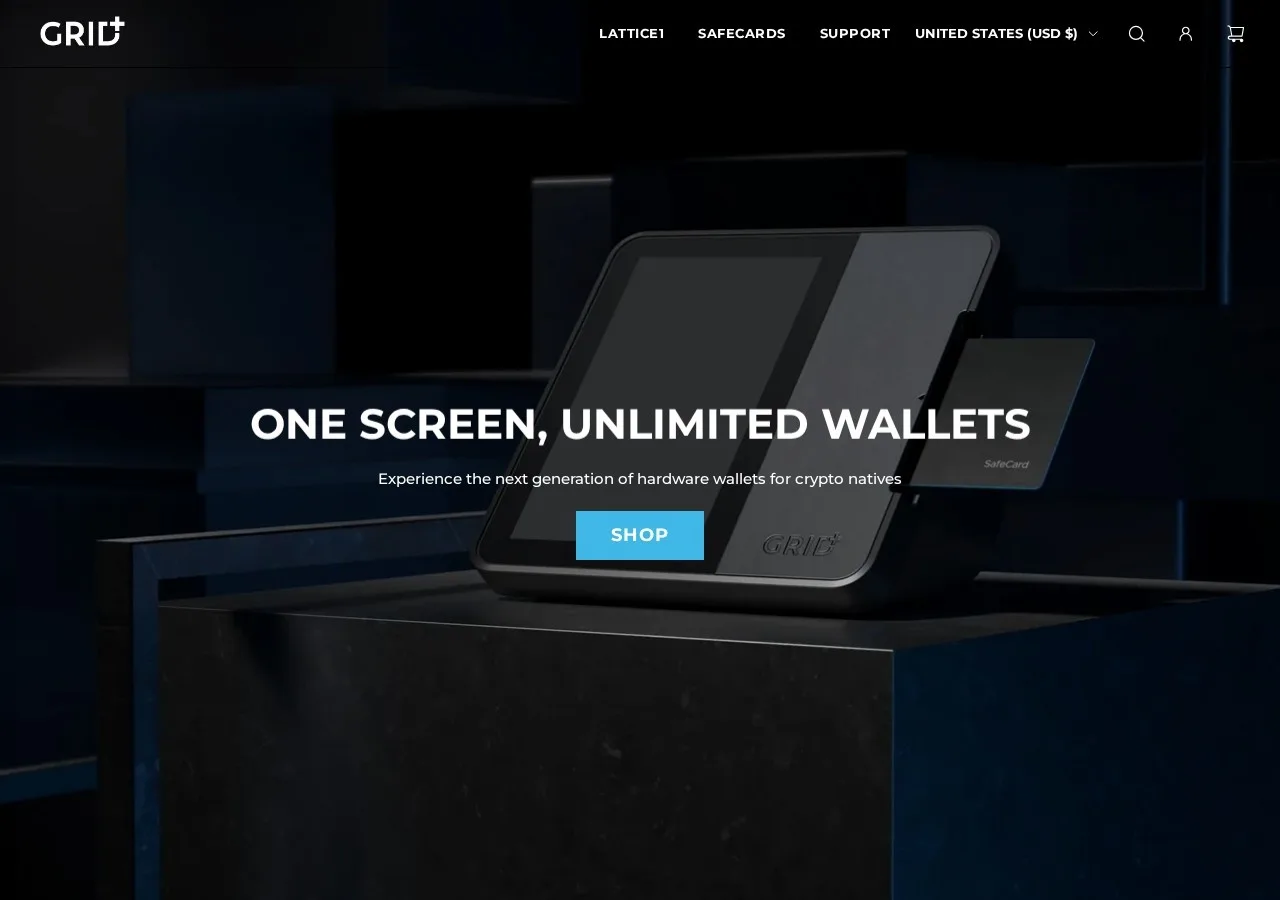
GridPlus Lattice1 is a hardware wallet for managing digital assets in self-custody. Its standout design combines a 5-inch TFT touchscreen with removable SafeCards, while separate hardware environments isolate general device functions from security-sensitive operations. GridPlus says the Lattice1 launched in 2020.
The Lattice1 uses a GCE and an SCE, segregated at the component level. The SCE handles security-sensitive functions, including tamper detection, while the device's Secure Enclave stores private keys for its built-in wallet. A PUF chip, similar to the type used in standard credit and debit cards, protects that storage.
Transaction data is automatically ABI-decoded into human-readable details on the touchscreen. The SCE draws the 60Hz display image and stores it in graphics RAM, so the signing view remains separate from the GCE. This design is aimed at Ethereum and DeFi transactions, where contract calls can otherwise be difficult to read on a hardware-wallet screen.
SafeCards are GridPlus smart cards documented for use with the Lattice1. Each removable card can back up and sign for a different seed phrase, giving the device a physical backup and account-separation option. The Lattice1's tamper mesh remains active when unplugged, with stored battery power supporting it for approximately five years.
The hardware wallet is designed for signing without handing private keys to a phone or computer. Its security model still includes the connected software and the supply chain used to obtain the device. Buying from a reseller creates a physical tampering risk, while a compromised GCE remains within the product's stated bug-bounty scope when it does not affect the HSM and user security.
GridPlus runs a bug-bounty programme covering hardware attacks on the Lattice1 or SafeCards, firmware attacks on either product, and selected GCE exploits. The published scope gives security researchers a route to report attacks against both the device and its removable cards.
GridPlus announced a seven-day March 31, 2026 promotion pricing the Lattice1 with seven SafeCards at $329, with $70 off and free shipping. That offer does not describe the standard purchase price.
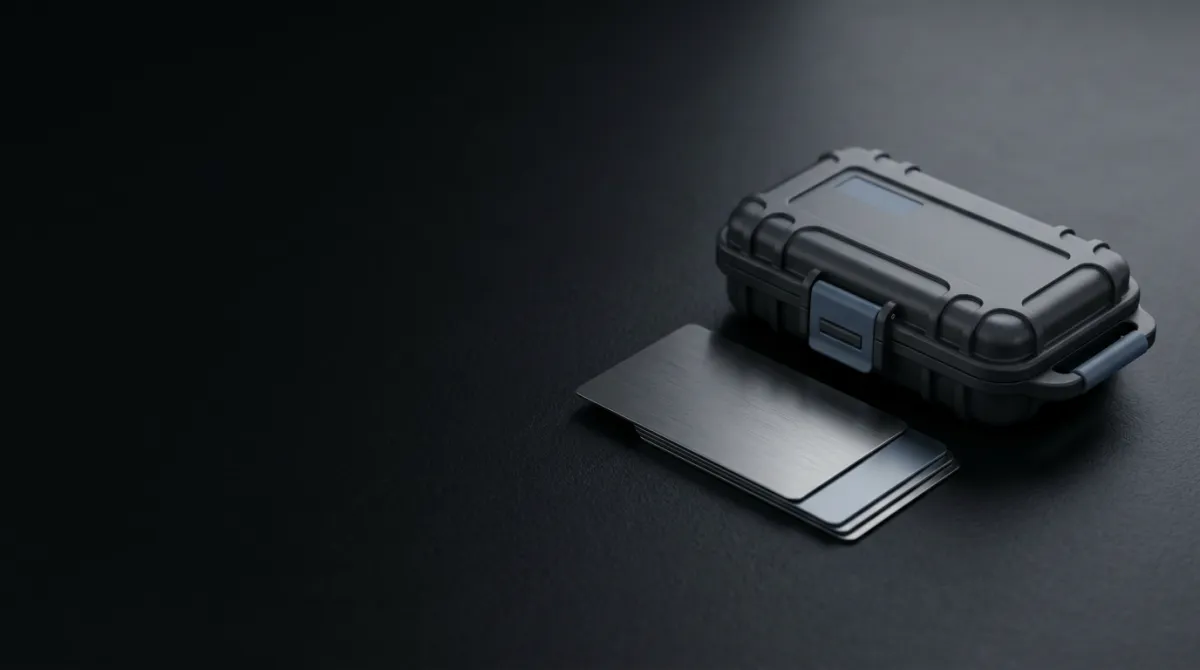
Lattice1 combines readable touchscreen signing with segregated security hardware.
GridPlus Lattice1 is a hardware wallet for self-custody, equipped with a 5-inch TFT touchscreen, a built-in wallet and removable SafeCards. Its clearest strength is transaction review: automatic ABI decoding turns supported transaction data into human-readable details before signing. The SCE draws the 60Hz signing display into graphics RAM that the documentation states cannot be hacked, keeping the displayed transaction isolated from the GCE, phone and computer.
Component-level separation isolates the general computing environment from the secure computing environment. The SCE handles security-sensitive functions, while the Secure Enclave stores private keys. Tamper detection stays active while unplugged, drawing on stored battery power for approximately five years. A public bug bounty covers attacks against the Lattice1, SafeCards and firmware, including some GCE exploits.
Each card can back up and sign for a different seed phrase, and the March 2026 offer described eight wallets for $329 with seven SafeCards. This documented promotion was time-limited.
The large touchscreen displays decoded transaction details, including supported DeFi transaction data. Lattice1 launched in 2020, and GridPlus has continued publishing supply-chain security material alongside its bug bounty.
Lattice1 suits Ethereum and DeFi users looking for readable signing and physical tamper detection. Security materials from GridPlus address supply-chain tampering as a hardware-wallet threat.
| Secure element | Yes · unverified |
|---|---|
| Display | Touchscreen · unverified |
| Battery | Yes · unverified |
| Touchscreen | Yes · unverified |
| Backup options | SafeCards · unverified |
Not disclosed by the provider: KYC required, Price from, Connectivity, Firmware, Air-gapped signing, Bitcoin-only, Supported assets, BIP39 passphrase, Multisig support, Companion app, NFC.
Data from the provider's website and public sources. Fees and availability change; confirm on the official site before you sign up.
The 5-inch TFT touchscreen displays transaction details and uses a 60Hz image drawn by the SCE.
Automatic ABI decoding translates supported contract data into human-readable signing details on the device.
The GCE and SCE are segregated at the component level, with the SCE handling security-sensitive functions.
The SCE controls a tamper mesh that remains active while unplugged, supported by stored battery power for approximately five years.
Private keys for the built-in wallet are stored in the Secure Enclave, alongside a PUF chip used for protected memory.
SafeCards back up and sign for separate seed phrases. They provide physical account separation and recovery.
The programme covers hardware attacks on the Lattice1 or SafeCards, firmware attacks and selected GCE exploits.
Lattice1 is GridPlus's hardware wallet and digital asset management device. It uses a 5-inch TFT touchscreen, automatic ABI decoding and separate GCE and SCE hardware environments for transaction review and signing.
SafeCards are GridPlus smart cards used with Lattice1. They provide removable backup and signing for seed phrases, with each card able to handle a different seed phrase.
No user reviews yet. Have you used GridPlus Lattice1? Share your experience below.
GridPlus Lattice1 is a hardware wallet and digital asset management device with a 5-inch TFT touchscreen and removable SafeCards. It is designed around transaction signing, private-key storage and Ethereum-focused DeFi use.
The Lattice1 stores private keys for its built-in wallet in a Secure Enclave. Its GCE and SCE are separated at the component level, while the SCE controls tamper detection and the signing display.
Yes. Automatic ABI decoding translates transaction data into human-readable form on the touchscreen, so the signing screen shows more than raw hexadecimal data.
SafeCards are smart cards documented for use with Lattice1 as removable backup and signing devices. A March 2026 offer described each card as backing up and signing for a different seed phrase.
GridPlus says the Lattice1 launched in 2020. Its current security documentation covers hardware and firmware attacks against the Lattice1 and SafeCards through a bug-bounty program.
Yes. Tamper detection is controlled by the SCE and remains active while the device is unplugged, with stored battery power for approximately five years.

Recent public posts from @gridplus, shown as published. Not reviewed or endorsed by CryptoReview.
NFC hardware wallet with 14,100+ assets across 90+ blockchains
Air-gapped hardware wallet with QR signing, a CC EAL5+ chip and 10,000+ assets
Open-source hardware wallets supporting 100+ chains and 30,000+ coins and tokens
Swiss-made open-source hardware wallet line launched in 2015 by Shift Crypto
Air-gapped hardware wallet with three secure-element chips and QR signing
Hardware wallets with Secure Element chips, 100+ chains and 15,000+ supported assets
Type at least two characters. Press ↵ to see all results.