
【能量安心租提前到账】为方便您应对行情波动,原定11月3日到账的安心租现已提前为您发放到账,请注意查收。

Bitpie
Non-custodial mobile wallet with built-in batch transfers and hardware pairing
3.7/ 5
Our score
Good
Custody
Self-custodial
Chains
EthereumBitcoinBNB ChainArbitrum+3
Platforms
iOSAndroid
In-app swaps
Yes
Hardware wallet support
Yes
What is Bitpie?
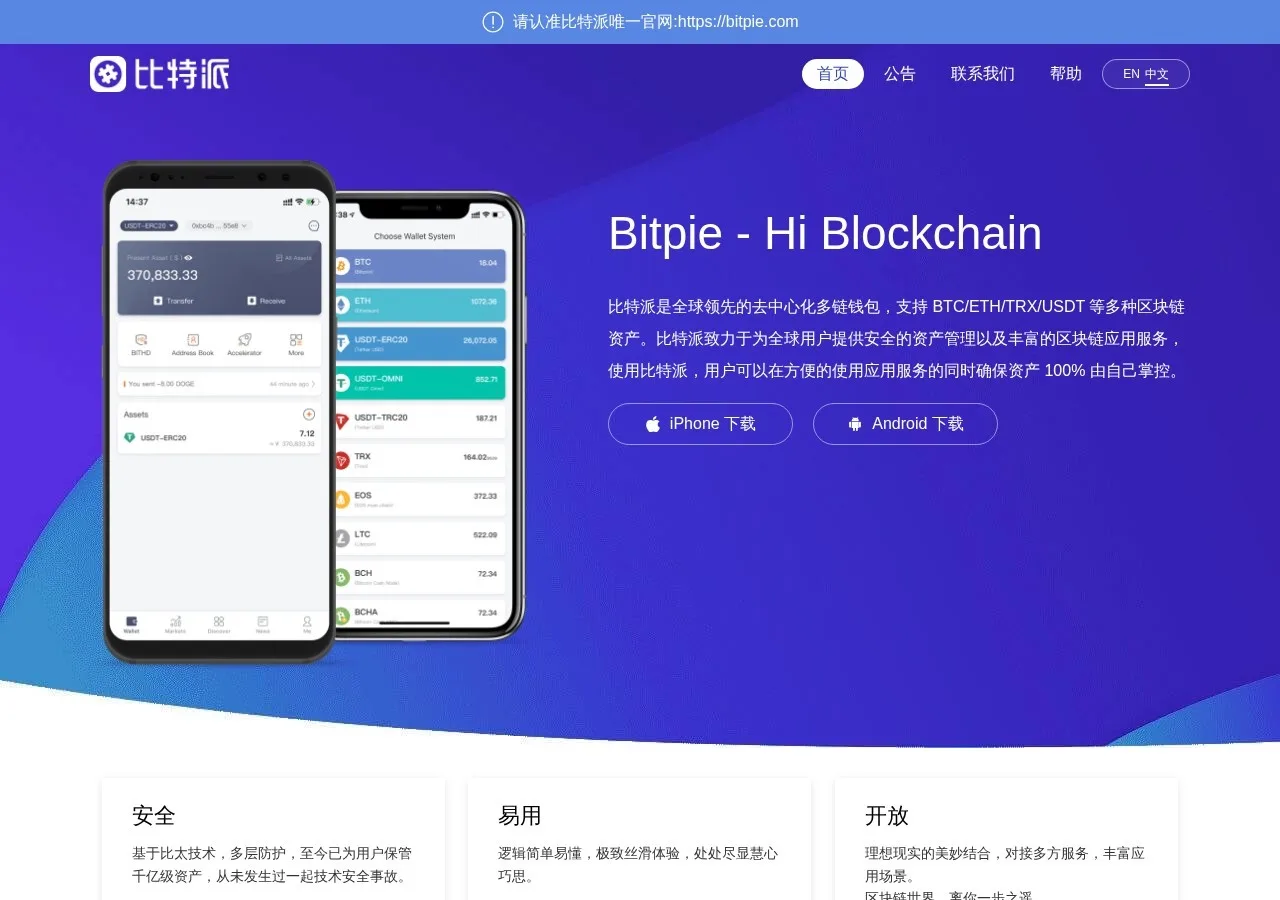
Bitpie is a self-custodial multi-chain mobile wallet designed for storing, sending, and managing digital assets across networks such as Bitcoin, Ethereum, and TRON. Built around hierarchical deterministic (HD) wallet architecture, it allows users to manage multiple blockchain ecosystems from a single 12-word seed phrase without giving up custody of their private keys.
Team and background
Bitpie was developed by the team behind the Bither wallet, under the leadership of founder and CEO Wen Hao, who is the legal representative of Beijing Dejiacai Technology Co., Ltd. The entity behind the international product footprint is Bitpie HK Limited. In October 2019, the project secured conventional debt financing from China Merchants Bank.
Supported networks and asset management
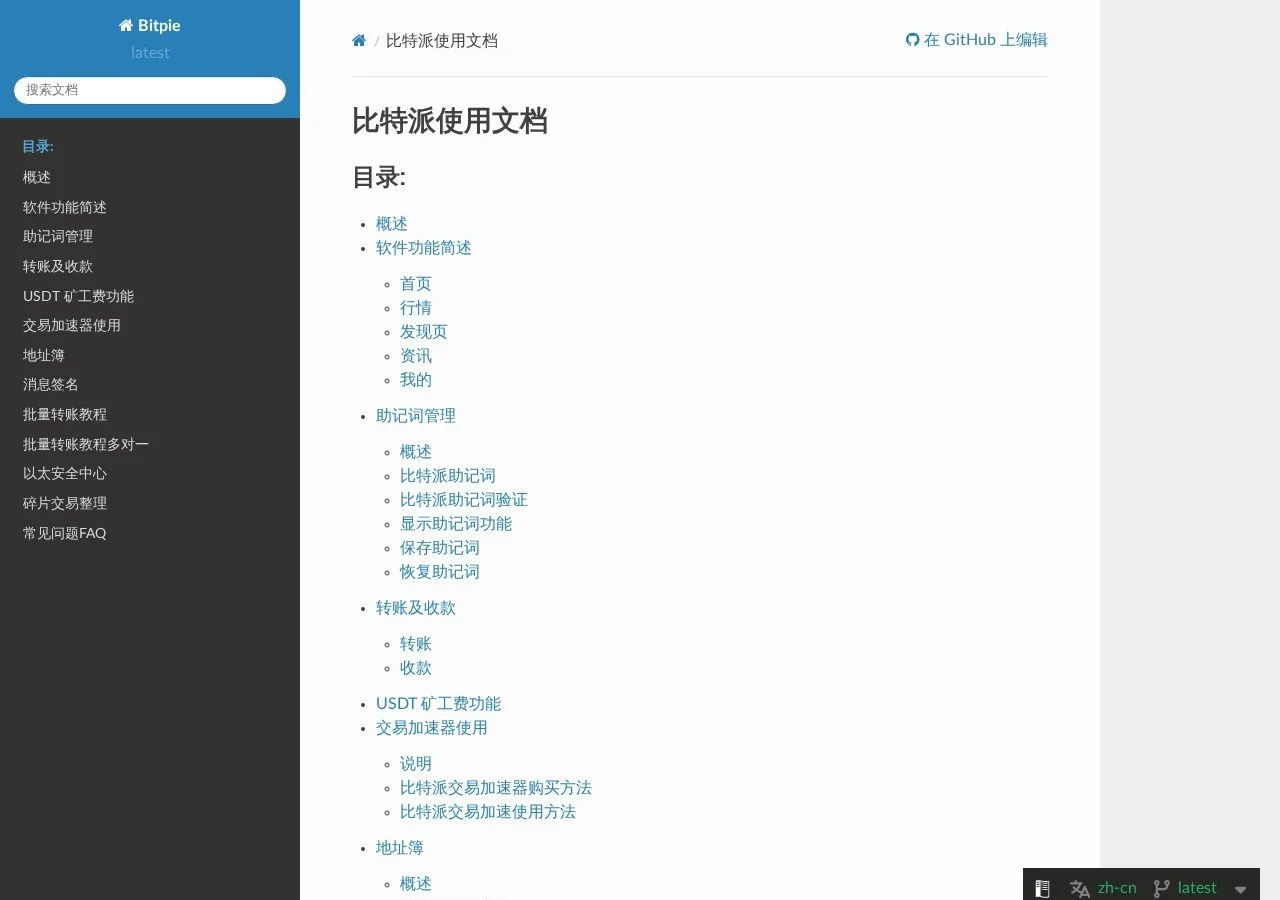
The application supports native blockchains and layer-2 networks including Bitcoin, Ethereum, TRON, BNB Smart Chain, Arbitrum, Optimism, Bitcoin Cash, Bitcoin SV, Litecoin, Dogecoin, and Ethereum Classic. Users can manage standard tokens such as ERC-20 and TRC-20 variants of USDT and USDC. For operational efficiency, the app allows generating up to 1,000 addresses in bulk and performing batch transfers on networks such as Bitcoin, Ethereum, and TRON. It also features a transaction accelerator for unconfirmed transfers and integrates with the BITHD hardware wallet line, connecting with devices like the Bitpie Shield and Blade over Bluetooth.
Fees and platform availability
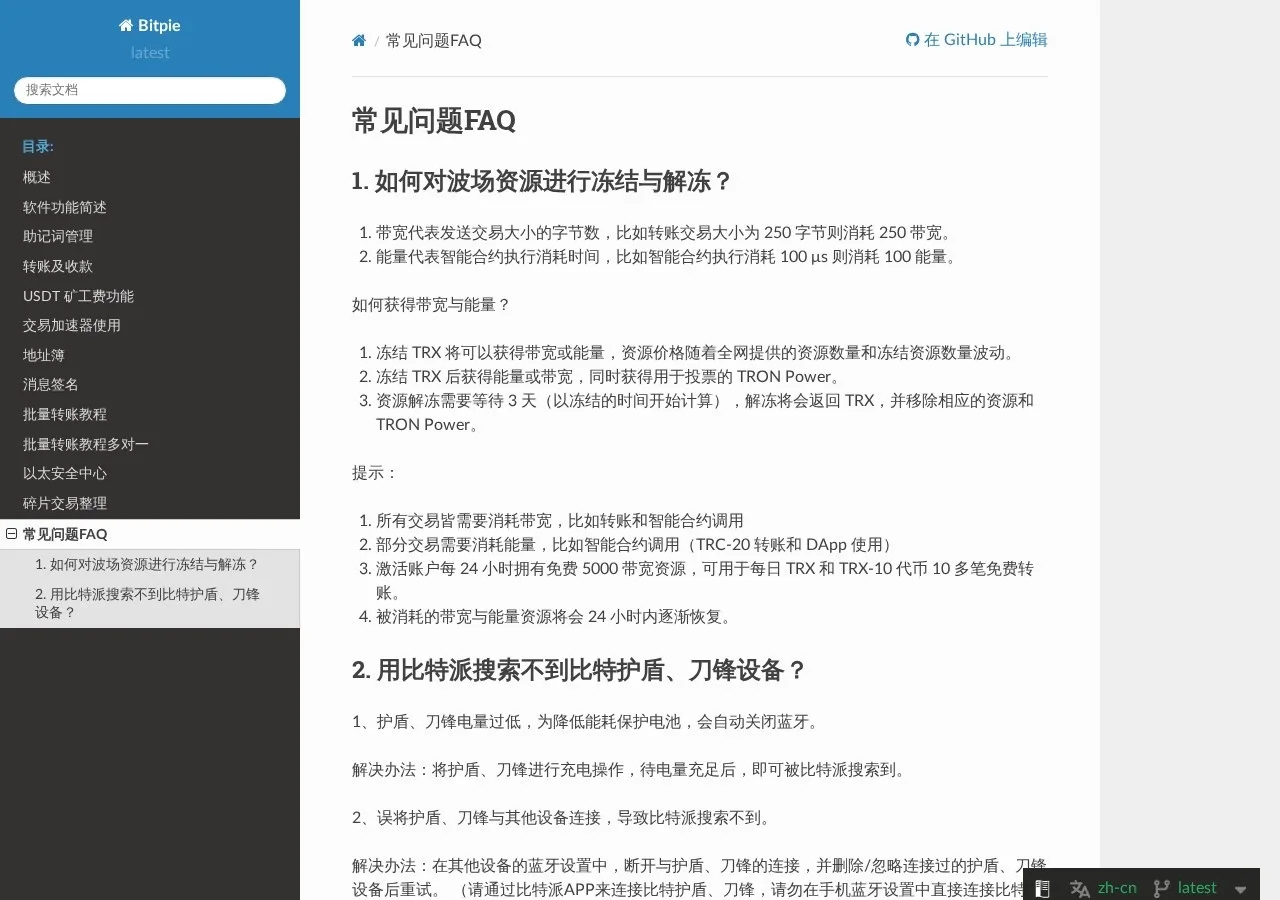
Users must cover underlying network miner fees paid in the native currency of each chain, such as ETH, TRX, or BTC. For TRON operations, the wallet supports resource management through TRX freezing to obtain bandwidth and energy. A specialized USDT miner fee function allows users to settle transaction fees using USDT through multi-transaction construction, though this incurs higher overall costs than paying in native tokens. The wallet is available as a mobile application on iOS and Android without mandatory identity verification for non-custodial wallet management.
Track record and operational trade-offs
Operating for 12 years since its origins in the Bither ecosystem, Bitpie has reported zero technical security breaches on its wallet core. In April 2021, the team retired legacy features including USDT-Omni swaps, miner fee packages, and the Pie Bank service. The wallet is a frequent target of counterfeit mobile applications and unauthorized multisig modification scams. As with any self-custodial software, loss of the seed phrase or signing malicious permissions through the in-app dApp interface leads to irreversible loss of funds.
Founders
Wen HaoFounder & CEO
Serial entrepreneur, legal representative of Beijing Dejiacai Technology Co., Ltd. and founder of Bither.
Best for:High-volume batch token sendersTRON and USDT active transferrersBITHD hardware wallet ownersMulti-chain EVM and Bitcoin holders
Pros and cons
Pros
- No security incidents across 12 years of core wallet operations
- Supports batch address generation of up to 1,000 addresses and batch transfers on Bitcoin, Ethereum, TRON, and USDT
- Pairs directly with BITHD Shield and Blade hardware wallets via Bluetooth
- Self-custodial setup with no mandatory KYC requirements for basic usage
- Allows freezing TRX in-app to offset TRON network transfer fees
Cons
- Paying gas fees in USDT costs more than using native network tokens
- Frequent target of counterfeit mobile apps and impersonation phishing scams
- Discontinued USDT-Omni support and Pie Bank features in April 2021
Our review
3.7/5
Good
Bitpie is a self-custodial mobile wallet with batch transaction utilities and hardware support.
Bitpie is a mobile-first, self-custodial wallet originally developed by the team behind Bither and led by founder Wen Hao. Operating across a 12-year track record without reported technical security breaches, the wallet delegates full key ownership to users via a standard 12-word seed phrase generated through hierarchical deterministic architecture.
Users can batch-generate up to 1,000 addresses on networks like Ethereum and TRON, as well as execute bulk transfers across Bitcoin, Ethereum, and TRON. For token transfers, Bitpie incorporates an automated USDT miner fee deduction feature. This allows users to cover gas requirements without holding native assets, though it carries a higher execution cost than standard network transactions. Hardware integration is available through Bluetooth pairing with proprietary BITHD hardware devices, including the Bitpie Shield and Blade.
- Active phishing, counterfeit apps mimicking the Bitpie interface, and fraudulent multisig modification schemes remain persistent external risks for users.
Bitpie suits mobile users who manage high-volume transactions or batch payouts across multiple addresses.
Specs
| KYC required ⓘ | No · unverified |
|---|---|
| Wallet type | Mobile · unverified |
| Custody | Self-custodial · unverified |
| Chains | Ethereum, Bitcoin, BNB Chain, Arbitrum, Optimism, Tron, Other · unverified |
| Platforms | iOS, Android · unverified |
| Hardware wallet support | Yes · unverified |
| In-app swaps | Yes · unverified |
| Staking | Yes · unverified |
| Buy crypto in app | No · unverified |
| Security features | HD wallet structure, BITHD hardware pairing, 12-word seed phrase backup, Batch transfer security · unverified |
| Recovery without a seed phrase | No · unverified |
| Passkey login | No · unverified |
| Multisig | Yes · unverified |
| Built-in dApp browser | Yes · unverified |
| Perpetuals trading | No · unverified |
Not disclosed by the provider: Open source, NFT support, WalletConnect, Swap fee.
Data from the provider's website and public sources. Fees and availability change; confirm on the official site before you sign up.
Key features
Batch transfer engine
Executes mass transfers across Bitcoin, Ethereum, TRON, and USDT, with support for generating up to 1,000 addresses simultaneously.
BITHD hardware pairing
Connects over Bluetooth to Bitpie Shield and Blade hardware devices for hardware key management.
USDT gas payment
Constructs transactions that allow paying transfer fees directly in USDT instead of holding native network tokens.
Transaction acceleration
Provides an integrated transaction accelerator tool for pending, unconfirmed blockchain transactions.
TRON resource management
Allows freezing TRX directly in the wallet to obtain energy and bandwidth for TRON transactions.
Multi-chain dApp browser
Connects to decentralized finance protocols across Ethereum, BNB Smart Chain, TRON, Arbitrum, and Optimism.
Inside Bitpie
Bitpie Wallet
The core non-custodial mobile app on iOS and Android for managing multi-chain digital assets, private keys, and custom RPC connections.
Batch Transfers
A management tool allowing users to create up to 1,000 addresses and execute batch transactions on Ethereum and TRON.
Transaction Accelerator
An integrated utility designed to speed up unconfirmed Bitcoin and blockchain transactions facing network congestion.
USDT Miner Fee Payment
A feature that automates network gas subsidies so users can pay on-chain transfer fees using USDT instead of native gas tokens.
BITHD Hardware Wallet
A line of Bluetooth-compatible cold storage devices, including Shield and Blade, managed directly within the mobile application.
Bitpie screenshots
User reviews
No user reviews yet. Have you used Bitpie? Share your experience below.
Funding and investors
1Round
1Investor
-
Debt Financing Oct 2019 Amount undisclosed
FAQ
Who founded Bitpie?
Bitpie was founded by CEO Wen Hao, a serial entrepreneur who also created the Bither wallet and acts as legal representative of Beijing Dejiacai Technology Co., Ltd.
Is Bitpie a custodial wallet?
No, Bitpie is a self-custodial wallet. Private keys and 12-word seed phrases remain under the direct control of the user and are stored locally on the device.
What fees does Bitpie charge?
Standard transfers incur network miner costs. Optional features include USDT miner fee payment and transaction acceleration.
Which blockchains does Bitpie support?
Bitpie supports Bitcoin, Ethereum, TRON, BNB Smart Chain, Arbitrum, Optimism, Bitcoin Cash, Bitcoin SV, Litecoin, Dogecoin, and Ethereum Classic, along with custom EVM RPC endpoints.
Does Bitpie support hardware wallets?
Yes, Bitpie pairs over Bluetooth with BITHD wearable hardware devices, including the Bitpie Shield and Blade.
Is identity verification (KYC) required to use Bitpie?
No, standard wallet functions such as creating accounts, receiving, holding, and sending crypto do not require KYC verification.
Latest from Bitpie on X
我们为什么使用Panda Cold 冷钱包来处理日常提币需求. https://t.co/5jZfKIOUDR
Bitpie has not been affected by the recent security incident. None of our services use PHP. All our services remain secure and safe to use.
Bitpie 未受到近期安全事件的影响。所有服务均未使用PHP。用户可以放心使用。
如无必要,勿增实体.🤔
Recent public posts from @BitpieWallet, shown as published. Not reviewed or endorsed by CryptoReview.
Alternatives to Bitpie

Open-source, self-custodial mobile wallet supporting over 100 blockchains and built-in cross-chain swaps
No KYCMobileSelf-custodialEthereum · Bitcoin +13

Self-custodial mobile wallet with built-in DEX routing across more than 18 blockchains
No KYCMobileSelf-custodialEthereum · BNB Chain +7

Open-source, non-custodial multi-chain wallet with built-in Tor and privacy-preserving assets
No KYCMobile · DesktopSelf-custodialBitcoin · Ethereum +7

Non-custodial DeFi wallet and multichain aggregator covering 10,000+ assets across 48+ networks
No KYCMobile · WebSelf-custodialEthereum · Bitcoin +9

Self-custodial Cosmos wallet launched in 2021, now supporting almost 350 networks
Mobile · Browser extension +1Self-custodialEthereum · Bitcoin +4
Self-custodial multichain wallet from Kraken with passkey support and zero platform swap fees
No KYCMobile · WebSelf-custodialBitcoin · Ethereum +7