

There’s always that one trip that stands out.
Not because it was long, but because something about it just went right.
Smooth flow, better timing, or just no surprises along the way.
Had one of those recently?

MapMetrics
Decentralized mapping network and developer API stack integrated with peaq
2.9/ 5
Our score
Weak
Services
Data APIsDeveloper tooling
Chains supported
1
Token
MMAPS
What is MapMetrics?
MapMetrics is a decentralized mapping and navigation network built on its own independent map stack rather than third-party services from Google or Apple. Operating in combination with OpenStreetMap data, the platform pairs real-time consumer navigation with developer-facing APIs for routing, search, and map rendering, while linking driver contributions to token economics on the peaq blockchain.
Team and operational background
The project is headquartered in the Netherlands and was co-founded by Chief Executive Officer Brent van der Heiden. Its core domain was registered in July 2021, and the team developed the MapAtlas developer infrastructure alongside consumer-facing applications to reduce dependence on centralized map providers.
How the platform works
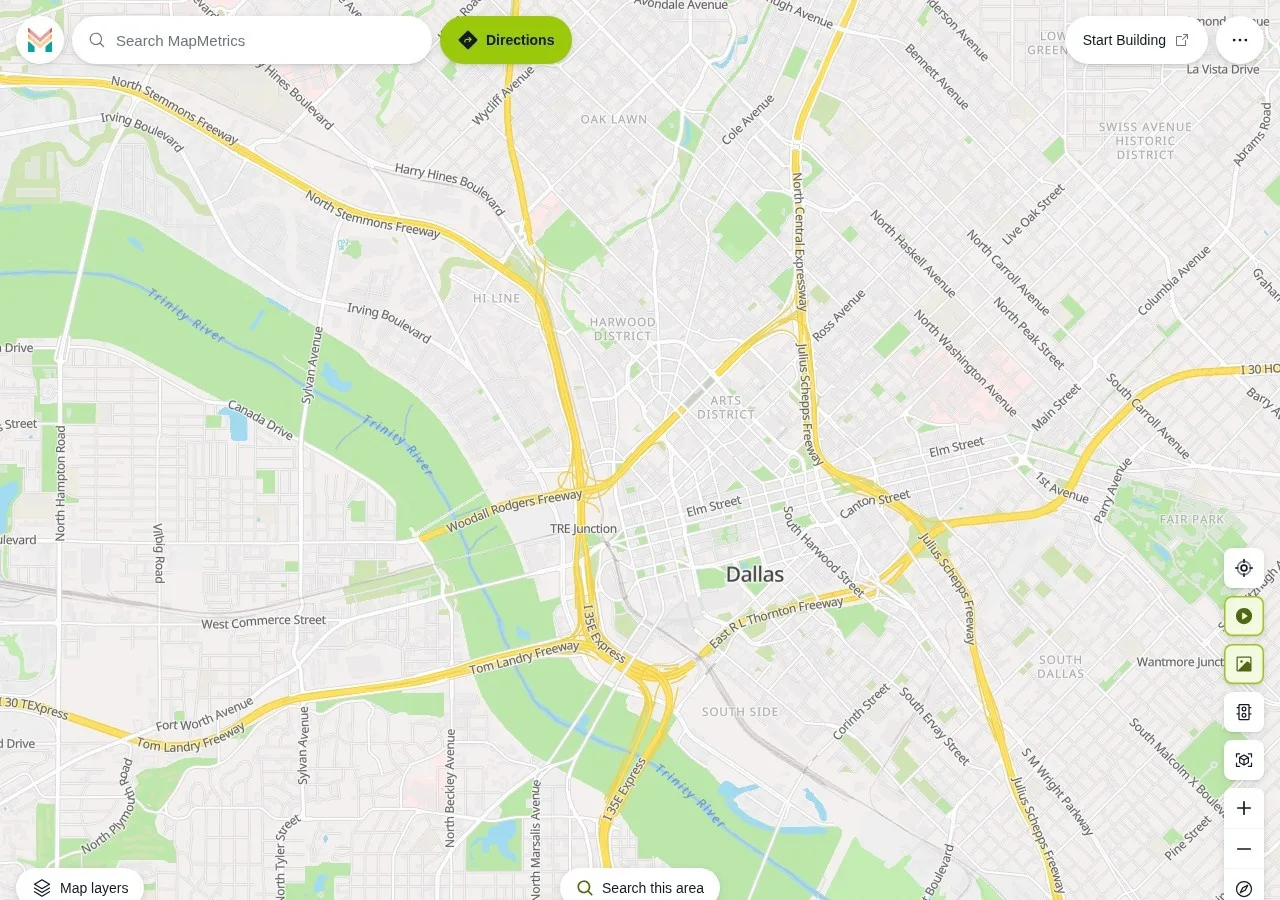
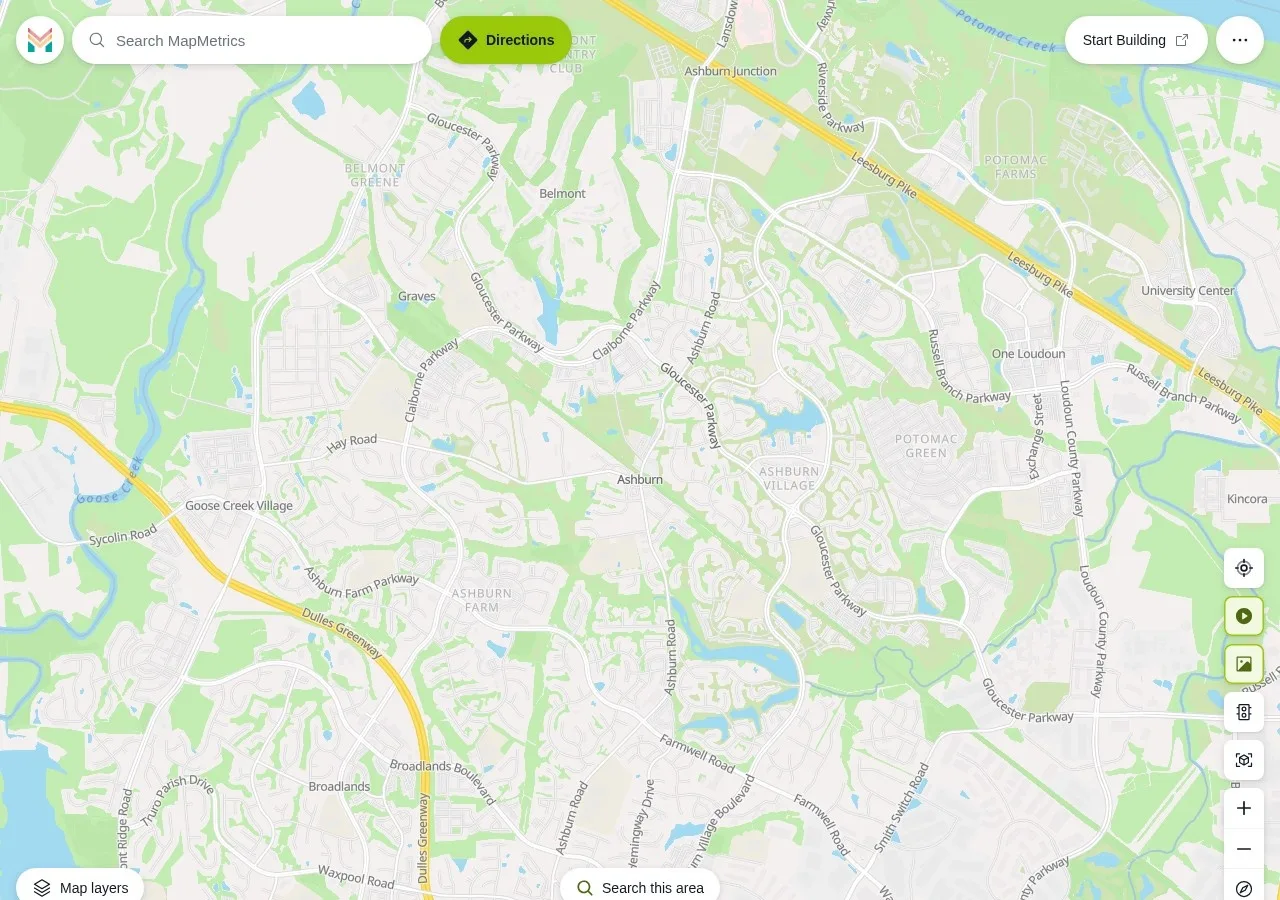
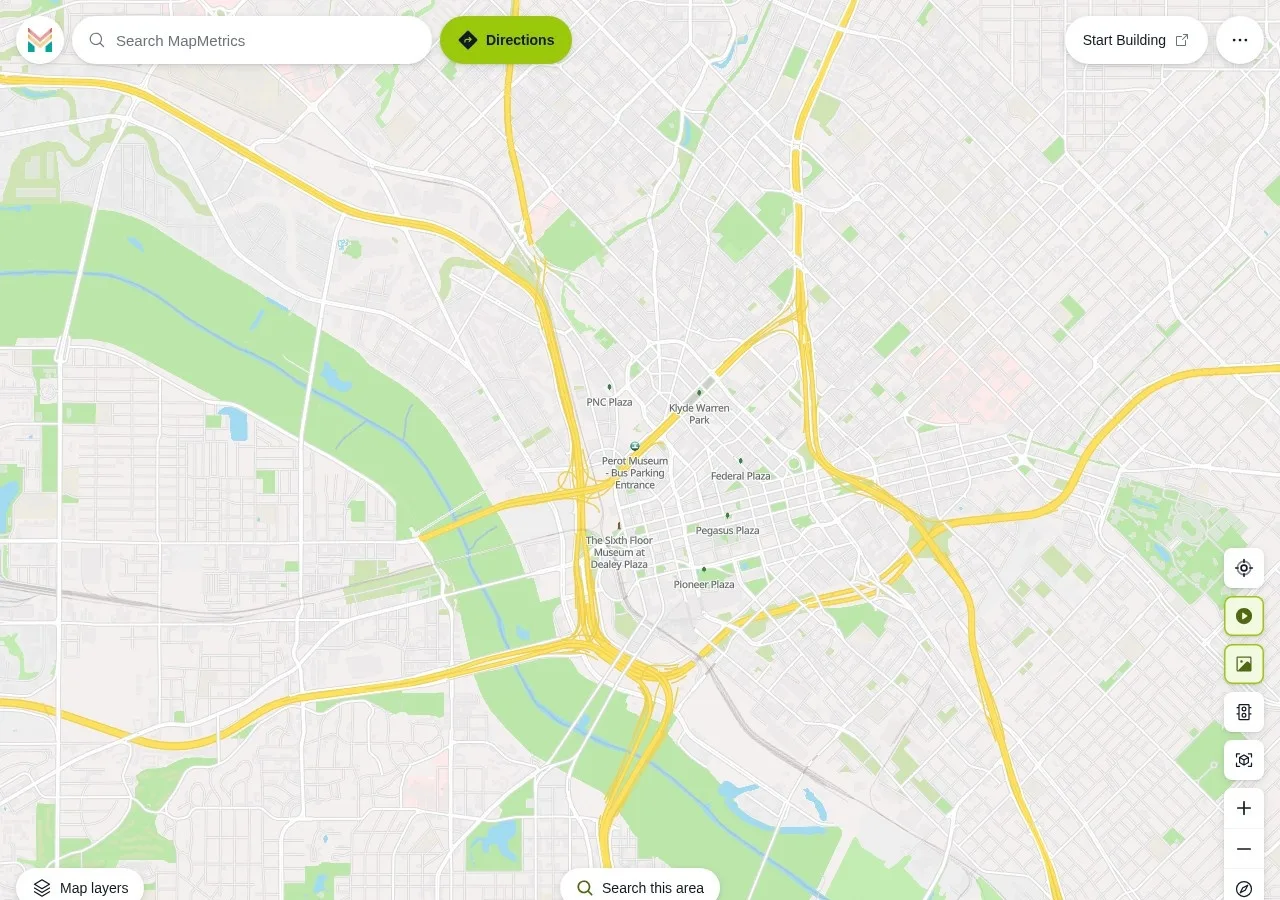
MapMetrics runs through a web portal as well as mobile apps for iOS and Android. The MapAtlas engine provides vector map tiles, geocoding, and routing computation. Navigation covers cars, trucks, motorcycles, bicycles, walking paths, and public transit. Users can navigate turn by turn, view terrain and 3D buildings, and submit multimedia stories tied to map locations. Road participants supply real-time traffic updates, with contributor rewards linked to the native MMAPS token on peaq. For developers, the map platform provides dedicated APIs for tiles and route calculation documented through MapAtlas.
Regional availability and transit support
The web map and basic navigation features are accessible worldwide in 18 languages, including English, Spanish, Dutch, French, and German. Specialized multimodal public transit guidance, which tracks live delays and station departure boards, operates across select European countries: the Netherlands, Belgium, Luxembourg, France, Spain, Portugal, the United Kingdom, Finland, and Cyprus.
Risks and technical limitations
Deploying mapping infrastructure within a decentralized model carries specific operational trade-offs. The accuracy of live road data depends on active driver density, which varies significantly by region compared to incumbent services like Google Maps or Waze. In addition, developer integrations rely on the uptime of the MapAtlas API endpoints, and participant incentives remain exposed to MMAPS token volatility on peaq.
Founders
Brent van der HeidenCo-Founder & CEO
Best for:Developers seeking independent map APIsDrivers contributing to DePIN networksEuropean commuters tracking public transit
Pros and cons
Pros
- Independent mapping stack built on MapAtlas and OpenStreetMap data
- Integrates with peaq for tokenized network incentives
- Supports specialized truck, cycling, and motorcycle navigation routing
- Live transit delay tracking across 9 European countries
Cons
- Contributor incentives depend on the market volatility of the MMAPS token
- Live traffic precision depends on active local user density
- Live transit tracking is limited primarily to select European markets
Our review
2.9/5
Weak
MapMetrics delivers an independent decentralized mapping alternative powered by OpenStreetMap, but its developer tooling is focused narrowly on mapping and routing rather than general infrastructure.
MapMetrics provides an alternative mapping stack that blends consumer navigation with decentralized infrastructure. Founded by CEO Brent van der Heiden and based in the Netherlands, the project operates its own independent map engine called MapAtlas rather than relying on Google Maps or Apple Maps. The platform leverages OpenStreetMap data along with user-generated traffic input to power routing across mobile applications and web interfaces.
For developers and infrastructure teams, MapMetrics exposes map tiles, geocoding, and routing APIs through its MapAtlas documentation. The network is integrated with the peaq ecosystem and uses the MMAPS token to incentivize road contributors. This setup offers distinct strengths:
- Independence from centralized mapping platforms, avoiding vendor lock-in to proprietary Google or Apple mapping APIs.
- A multimodal routing engine covering passenger vehicles, trucks, motorbikes, and walking paths.
- Direct token incentives via Drive2Earn mechanisms for contributors reporting live road and traffic data.
Trade-offs exist across enterprise metrics. MapMetrics provides geospatial APIs rather than dedicated RPC or node infrastructure. Developers looking for standard Web3 node clusters, deep cross-chain indexing, or multi-region data failovers will find its focus limited strictly to location data. Base map search works worldwide, but real-time public transit data remains restricted to select European nations such as the Netherlands, Belgium, France, Spain, Portugal, the United Kingdom, Finland, and Cyprus.
MapMetrics suits mobility applications and DePIN projects seeking decentralized geospatial data and routing APIs. Organizations requiring multi-chain node infrastructure or smart-contract oracle feeds should consider dedicated node and indexing providers instead.
Specs
| Services | Data APIs, Developer tooling · unverified |
|---|---|
| Chains supported | 1 · unverified |
| Token | MMAPS · unverified |
Not disclosed by the provider: Free tier, Pricing from, Enterprise SLA, Open source, Uptime SLA, Free tier limits, Server regions.
Data from the provider's website and public sources. Fees and availability change; confirm on the official site before you sign up.
Key features
Independent MapAtlas stack
Delivers geocoding, routing, and map tiles derived from OpenStreetMap data without relying on Google Maps or Apple Maps.
Multimodal navigation routing
Calculates directions tailored for cars, trucks, motorcycles, bicycles, and pedestrians with options to avoid tolls and motorways.
European public transit data
Tracks live departures, delays, and platform changes across 9 European countries including France and the UK.
MapAtlas developer APIs
Provides external developers with documented endpoints for map tile rendering, address search, and turn-by-turn routing.
Blockchain integration
Integrates with the peaq network to power participant incentives through the MMAPS token.
Geolocated user stories
Allows community contributors to publish photos and short video updates directly anchored to coordinates on the world map.
Inside MapMetrics
Map
Displays a global 3D interactive map interface featuring live traffic data, terrain details, and generated building structures.
Directions
Generates multimodal routes for cars, motorbikes, bicycles, trucks, and walking, including route alternatives and options to avoid tolls or motorways.
Public transport
Provides door-to-door transit guidance with live departure boards, delay notices, and bike-and-train combinations in supported European countries.
Stories
Allows users to explore and post geo-tagged photo and video updates at specific locations directly on the map.
MapAtlas
Powers the underlying developer platform, supplying geocoding, custom routing endpoints, and vector tile infrastructure.
MapMetrics screenshots
What users say about MapMetrics
Reviews note positive experiences with navigation, earning rewards while driving, and iterative improvements over time. However, complaints remain frequent, with reviewers criticizing app failures following updates, background operation restrictions, delayed token launches, and inadequate project communication.
In their own words
“Getting better by the week I have to say, the first month or so after launch, it was rough. I really thought I had been sucked into a scam. The map was pretty much unusable for navigation as the directions and maps would freeze and if you deviated from the route it wouldn’t recalculate.”
“App review So far the app is navigating so well”
“App Functioned until update After “bug fix update” app is unusable. Deleting it. I should have known better.”
“Not worth it Over a year ago ordered the device called a SPT. Took 10 months to arrive. The amount of rewards in the four months has been $20.36 and the SPT that tracks you was $165. There’s no NFT’s, have to keep the app open, so no music or other apps running.”
“The project is scam,no whitepaper no TGE.!!! And the ban everyone asking about it!!!! 3 years of use and still nothing.”
Based on 10 App Store reviews, 7 Reddit posts and comments from the last 12 months, checked Oct 21, 2026. These are posts by users on other sites, not reviews submitted on CryptoReview.
User reviews
No user reviews yet. Have you used MapMetrics? Share your experience below.
FAQ
Who founded MapMetrics?
Brent van der Heiden co-founded MapMetrics and is its chief executive officer. The project is headquartered in the Netherlands.
Does MapMetrics have a native token?
Yes, MapMetrics uses the MMAPS token. It is used within its Drive2Earn data collection framework integrated with the peaq ecosystem.
Where is MapMetrics available?
MapMetrics web and mobile applications are accessible globally for mapping and turn-by-turn routing. Live public transit updates are available across select European countries, including the Netherlands, Belgium, France, Spain, Portugal, the UK, Finland, and Cyprus.
What blockchain does MapMetrics use?
MapMetrics integrates with peaq to support its decentralized physical infrastructure and data contribution rewards.
What developer services does MapMetrics offer?
Developer services are provided through MapAtlas, which supplies map tiles, geocoding, and multimodal routing APIs built from OpenStreetMap data.
Latest from MapMetrics on X
Weekend is around the corner, and plans are starting to take shape.
For some, it’s a longer drive out of town. For others, it’s slowing things down with a walk or a hike. With MapMetrics, even those walking trails can be part of your journey when you import them and explore.
Different pace, same map.
What’s the plan this weekend, going far or keeping it simple with a hike?
Some days the road cooperates.
Everything flows, timing feels right, and you get where you’re going without thinking twice. Other days, it’s a different story with slowdowns, changes, and a bit of patience required.
That’s just how it goes.
How has the road been treating you lately?
Everything flows, timing feels right, and you get where you’re going without thinking twice. Other days, it’s a different story with slowdowns, changes, and a bit of patience required.
That’s just how it goes.
How has the road been treating you lately?
Midweek already, and by now you’ve probably had a mix of different trips.
Some smooth, some a bit off, maybe a few moments where things didn’t go as expected but still worked out in the end. Every journey this week tells a small part of the story.
If you had to look back at your trips so far,
how would you describe your week on the road in one word?
Some smooth, some a bit off, maybe a few moments where things didn’t go as expected but still worked out in the end. Every journey this week tells a small part of the story.
If you had to look back at your trips so far,
how would you describe your week on the road in one word?
Heading out without checking the road can go either way.
Some days it’s clear and smooth. Other days you run straight into delays you didn’t see coming. That’s where taking a quick look at live traffic can change how your whole trip plays out.
A few seconds upfront can save a lot of time later.
Do you usually check road conditions before commuting, or just go and deal with it on the way?
Recent public posts from @MapMetrics, shown as published. Not reviewed or endorsed by CryptoReview.
Alternatives to MapMetrics

Open-source smart contract libraries and enterprise security tooling backing over $38T in transfers
Developer toolingFree tier10 chains supported

Blockchain infrastructure platform supporting 100+ chains with a free 30M-compute-unit tier
RPC / nodes · Data APIs +3Free tier100 chains supported

Managed blockchain infrastructure across 70+ chains with a free 3M-request monthly tier
RPC / nodes · IndexingFree tier70 chains supported

EVM development and simulation platform supporting transaction debugging and testing across 50+ chains
Developer toolingFree tier50 chains supported

Open-source distributed ledger foundation hosting Fabric, Besu, and Cacti under the Linux Foundation
RPC / nodes · Developer toolingFree tier2 chains supported

Blockchain infrastructure platform providing RPC nodes and data streams across 76 networks
RPC / nodes · Data APIsFree tier76 chains supported