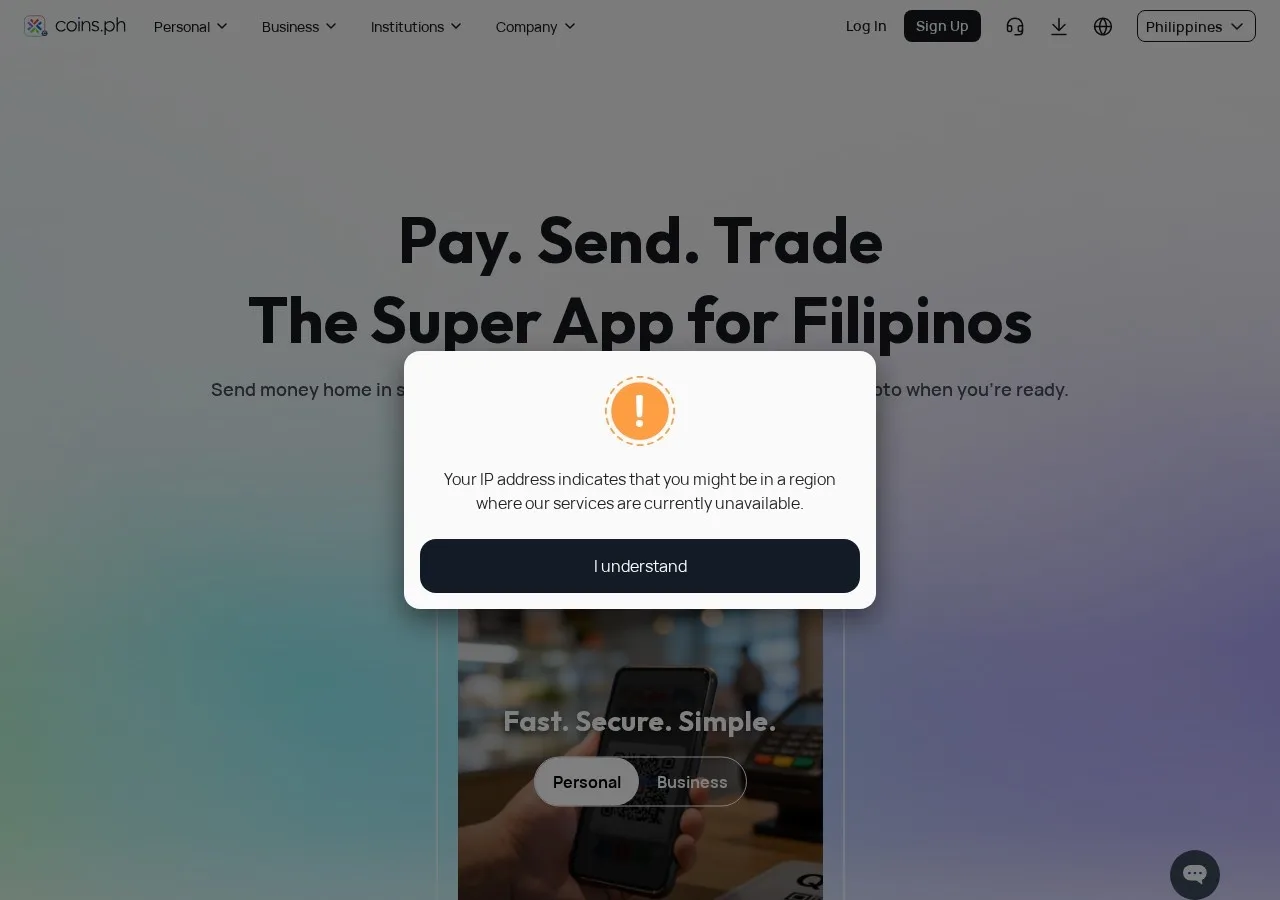
Coins.ph is a Philippine digital wallet and cryptocurrency platform combining retail payment services with digital asset spot trading. Operating since 2014, the platform integrates local payment infrastructure such as QR Ph, bill payment, and remittances with order-book trading across more than 170 digital assets.
Corporate background and leadership
Coins.ph was founded in 2014 by Ron Hose, who is its former chief executive officer. The company operates out of Manila, Philippines, with a staff of more than 300 employees. Business operations are managed through two Philippine-registered entities: Betur Inc., which operates the cryptocurrency exchange services, and DCPay Philippines Inc., which manages electronic money and digital payment systems.
Product features and trading structure
The platform runs as a centralized custodial service. Users maintain an integrated account where fiat balances in Philippine Pesos (PHP) sit beside digital tokens. Everyday functions include mobile top-ups, domestic remittances, utility bill settlements, and merchant payments through the national QR Ph standard. For market participants, Coins Pro provides a full order-book exchange environment, while Coins Convert facilitates direct retail swaps between fiat and digital currencies. Overseas users and migrant workers can transfer funds domestically by converting foreign stablecoins like USDT directly into pesos.
Fee tiers and regulatory licensing
Coins Pro spot trading relies on a tiered schedule based on rolling 30-day trading volume. Base Tier 0 spot orders incur a 0.10% maker fee and a 0.15% taker fee, scaling lower with increased volume. Fiat funding methods include domestic bank transfers via PESONet and InstaPay, e-wallets, and cash-in partners. Coins.ph holds multiple regulatory approvals from the Bangko Sentral ng Pilipinas (BSP), including a Virtual Asset Service Provider (VASP) license, an Electronic Money Issuer (EMI) license, and an Advanced Electronic Payment and Financial Services (EPFS) license.
Risks and limitations
As a centralized platform, user assets are held in custodial storage, exposing balances to platform solvency and counterparty risks. Account onboarding mandates identity verification (KYC), restricting unverified activity. Also, services are tailored almost entirely to the Philippine financial system, leaving the exchange unavailable to United States customers and unsuited to traders seeking non-custodial tools or derivatives markets.